
Sewer Scope Inspection: 7 Costly Problems to Avoid
Sewer Scope Inspection: 7 Costly Problems It Can Catch Before You Buy a Home
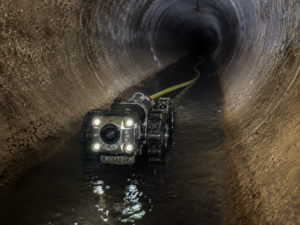
Sewer scope inspection is one of the smartest add-on services a home buyer can choose, especially for older homes, homes with mature trees, or any property where you want a clearer picture of the condition of the main sewer line. A standard home inspection covers many visible and accessible systems in the house, and you can review what is included in a home inspection here. The underground sewer line is a separate system, and a camera scope gives you valuable information before you close.
If the sewer line has roots, cracks, offsets, sagging sections, or blockage, repair costs can add up fast. A sewer scope inspection helps you make a better decision, negotiate repairs or credits, and plan for future maintenance with more confidence.
Table of Contents
- What is a sewer scope inspection?
- Why it matters for home buyers
- 7 costly problems a sewer scope inspection can find
- When to add a sewer scope inspection
- Who is responsible for the sewer line?
- Sewer line vs. septic system
- What happens after the inspection?
What is a sewer scope inspection?
A sewer scope inspection is a camera inspection of the main sewer line that runs from the house toward the municipal connection or other discharge point. The camera is fed into the line so the inspector can look for visible defects, blockage, damage, and performance concerns inside the pipe.
At Mason Home Inspections, sewer scope is available as an add-on service. You can also review common buyer questions on the Home Inspection FAQ page and see current service information on the Services & Fees page.
Why a sewer scope inspection matters for home buyers
The sewer line is out of sight, which is exactly why it gets missed. A home can look clean, well-maintained, and move-in ready while still hiding an expensive sewer problem underground. Drain issues often stay quiet until usage increases, roots grow further into the line, or a partial blockage turns into a backup.
For buyers, a sewer scope inspection adds clarity in a place where sellers may have little information and where problems can be expensive to correct. It is especially valuable for homes with older clay, cast iron, Orangeburg, or aging plastic sewer piping, as well as homes on tree-lined lots.
7 costly problems a sewer scope inspection can find
1) Tree root intrusion
Roots are one of the most common sewer line issues. Even a small crack or loose joint can let roots enter the pipe. Once inside, they expand, trap waste, and restrict flow. A line with visible roots may still be functioning today, but it often needs cleaning, repair, or close monitoring.
2) Cracked or broken piping
Cracks and fractures can allow leakage, let roots in, and create long-term structural failure in the line. Older materials are more vulnerable, especially after years of freeze-thaw cycles and soil movement.
3) Bellies or sagging sections
A belly is a low section in the pipe where wastewater can collect instead of flowing cleanly away. Standing waste in a sewer line can lead to recurring slow drains, buildup, and eventual blockage.
4) Offset joints
When one section of pipe no longer lines up properly with the next, the joint can catch debris and reduce flow. Offset joints often happen from settling, shifting soil, or aging connections.
5) Heavy grease or sludge buildup
Some lines are structurally sound but badly restricted. Grease, wipes, paper buildup, and other waste can narrow the pipe and create chronic drain issues. A sewer line camera inspection can show whether the line likely needs cleaning.
6) Deteriorated older pipe materials
Some older sewer materials have a shorter useful life or become more fragile with age. A sewer scope inspection can reveal whether the line is holding up well, showing signs of wear, or nearing a point where replacement becomes more likely.
7) Blockages that have not backed up yet
A line can be partly blocked and still seem functional during a showing. That does not mean it is healthy. Finding a restriction before closing gives buyers more room to decide what they want to do next.
When should you add a sewer scope inspection?
A sewer scope inspection makes sense in many situations, and it becomes even more valuable when:
- The home is older
- The lot has large mature trees
- The seller has limited maintenance records
- You notice slow drains or signs of prior backup
- The home has been vacant for a while
- You want fewer surprises after closing
Many buyers add sewer scope for peace of mind alone. It is often easier to evaluate the line before purchase than to discover a problem after moving in.
Who is responsible for the sewer line?
In many cities, homeowners are responsible for the private sewer lateral from the house to the city connection. That means repair costs often fall on the property owner, not the city. For example, both Minneapolis and Saint Paul explain that the private sewer service line is generally the property owner’s responsibility.
Helpful resources:
That responsibility is one reason a sewer scope inspection can be such a smart part of due diligence.
Sewer line vs. septic system, what is the difference?
A sewer scope inspection is for a home connected to a sewer line. If the property uses a private septic system instead, you are dealing with a different inspection path. Septic systems should be evaluated through the appropriate septic process, and buyers should understand local requirements and system condition before closing.
Helpful septic resources:
What happens after a sewer scope inspection?
If the sewer scope inspection looks good, that is useful information. You move forward with more confidence. If defects are found, you have options. Depending on the findings, buyers may ask for cleaning, further evaluation, repair, replacement estimates, or a credit.
A clear, photo-rich report makes those conversations easier. You can also review sample inspection reports here to see how findings are presented.
If you are scheduling a full inspection, it is also worth reviewing:
- What’s Included in a Home Inspection
- Home Inspection FAQ
- Services & Fees
- Minnesota Home Inspection: 7 Essential Checks
Final thoughts
A sewer scope inspection is a practical way to reduce surprises, especially when you are buying an older home or a property with risk factors that make underground sewer issues more likely. It gives you a look at a major system most buyers never see, and that information can save real money and stress later.
If you are buying in Minnesota and want a clearer picture of the home before closing, ask about adding sewer scope to your inspection. You can schedule your inspection here or contact Mason Home Inspections to talk through the right services for the property.
Related reading: What to Expect From a Minnesota Home Inspection: A 2026 Guide
Leave a Reply
Want to join the discussion?Feel free to contribute!