1. Suppose you plan to buy or sell a home anywhere in Chisago County, Washington County, or the greater North Metro area. In that case, a detailed inspection is your first line of defense against unwelcome surprises. Mason Home Inspections has evaluated hundreds of properties through Minnesota’s harsh winters and humid summers, and we continue to see the same handful of issues week after week. Left alone, each one can snowball into a significant expense, yet most are simple to correct when caught early.

Below, you will find six problems we encounter most often, along with their significance in our climate, and step-by-step fixes that you can start implementing this weekend. After reading, book your inspection or check our fee schedule to add a sewer scope or radon test for complete peace of mind.


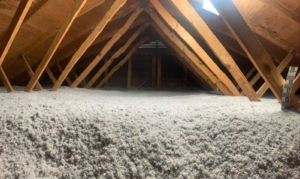
1. Attic Insulation Gaps and Ice‑Dam FormationInsulation

Minnesota’s stack effect drives warm interior air toward the roofline. When insulation is inadequate or uneven, heat leaks through the sheathing, melts rooftop snow, and the meltwater refreezes along cold eaves. That ridge of ice traps more water, loosens shingles, and soaks the roof deck. Interior leaks, ruined drywall, and mold often follow.

Smart fix:

  1. Seal top‑plate cracks and recessed light boxes with foam,

  2. Blow loose‑fill cellulose or fiberglass to at least R‑50,

  3. Verify that the soffit baffles remain unobstructed to ensure continuous ventilation.

A professional air‑sealing and insulation job averages $1,500 to $2,200 and can shave ten percent off winter energy bills.


2. High‑Moisture BasementsMoisture Test

Our freeze‑thaw cycles push moisture vapor through porous concrete. We regularly log relative humidity above 60 percent, a level that can rust furnace shells and foster mildew behind stored cardboard. Persistent damp also attracts carpenter ants in warmer months.

Smart fix:

  • Slope soil away from the foundation at one inch per foot for six feet,

  • Extend downspouts with corrugated pipe,

  • Install a permanent, self-pumping dehumidifier set to 50% humidity.

For additional guidance, the Minnesota Department of Health offers a helpful moisture guide. Bookmark it for weekend reading.


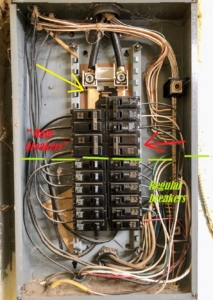
3. Federal Pacific, Zinsco, and Split‑Bus Electrical Panelsa circuit panel

Though “grandfathered,” these legacy panels have documented failure rates that far exceed modern breakers. Overheating lugs and frozen trip mechanisms create an elevated fire hazard. Many insurers now flag them during underwriting, forcing last‑minute negotiations.

Smart fix: Replace the main service with a 200-amp modern panel, add whole-house surge protection, and clearly label circuits for future trades. Expect $2,500 to $3,500, a fraction of the potential claim if the panel fails.


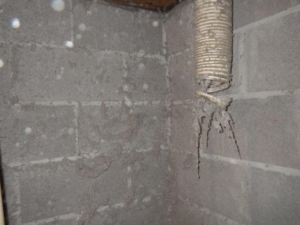
4. Dryer Venting Into Crawl Spaces or Garages a pipe in a corner of a room

We still encounter homes, especially those built between 1960 and 1980, where the dryer exhaust stops short of the exterior. Humid, lint‑laden air condenses on framing, promotes decay, and forms a buffet for rodents. Interior CO alarms can also trigger when a gas dryers backdraft.

Smart fix:

  • Replace any plastic flex hose with 26‑gauge smooth metal duct,

  • Limit bends to two, keep total run under thirty‑five feet,

  • Terminate with a flap damper that opens freely.

Materials cost under $100. Your laundry will dry more quickly, saving energy with every cycle.


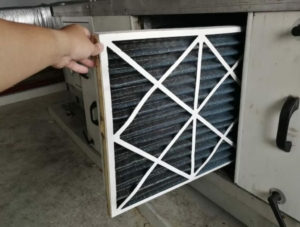
5. Neglected Furnace Air Filtersa hand opening a dirty air filter

In Forest Lake and North Branch, we regularly pull filters so clogged that duct static pressure surges forty percent, starving the heat exchanger. The blower motor labors, energy bills climb, and the lifespan of a $4,000 furnace shrinks dramatically.

Smart fix: Pop in a fresh pleated filter every sixty to ninety days, vacuum the return grille, and schedule a professional tune‑up each fall. That twenty‑dollar habit can delay furnace replacement by several years.


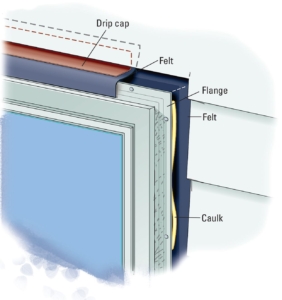
6. Shrinking Window and Door FlashinginstallFlashing

Wide temperature swings cause aluminum drip‑edge and rubberized flashing to pull away from sills. Water follows the fasteners directly into the framing cavity, often remaining unnoticed until interior paint bubbles appear. Early detection is key in our freeze‑thaw climate where moisture expands once trapped.

Smart fix:

  1. Inspect head flashing above all windows each spring,

  2. Reseal gaps with high‑quality polyurethane caulk,

  3. Where flashing has lifted, remove siding locally and install self‑adhered flashing tape before reinstalling trim.

DIY cost is minimal, yet ignoring the issue can rot framing and force expensive window replacements.


Why Early Detection Matters Here

  • Climate amplification: Cold winters and humid summers accelerate damage that might stay dormant in milder regions.

  • Insurance scrutiny: Carriers increasingly request inspection data. Proactive repairs can preserve policy eligibility.

  • Negotiation leverage: An inspector’s objective report arms you to request seller credits or price adjustments.

  • Occupant health: Moisture and combustion issues degrade indoor air quality, aggravating allergies and asthma.


Next Steps

  1. Schedule an inspection: Call or text 651.786.9988 with the property address, desired date, and your contact info. If possible, include an email so we can send the pre‑inspection agreement electronically.

  2. Consider add‑ons: Sewer scopes, radon testing, and infrared scans identify hidden risks and are far cheaper than after‑the‑fact repairs.

  3. Follow the report: We deliver a digital report within twenty‑four hours, complete with annotated photos, cost estimates, and a repair‑priority list you can hand directly to contractors.

Serving Chisago County, Washington County, and the whole north‑metro Twin Cities

A quick story from the field

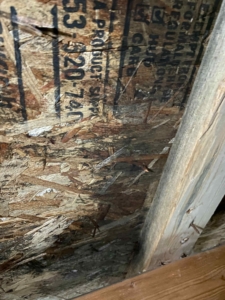
a wood paneling with black text and mold

Last month, in Taylors Falls, I opened the access panel behind a jetted tub and found the OSB sheathing dark as a Minnesota winter morning. A pin‑hole leak in the supply line had been misting the cavity for years. The sellers swore they “only filled the tub on special occasions,” yet the subfloor read 22 percent moisture, far above the safe 16 percent threshold. That small anecdote sums up why inspectors obsess over the bath‑versus‑shower debate. Water is sneaky, and the way you bathe changes how it behaves.

1. Water use

  • Full tub: The U.S. EPA pegs a filled bathtub at about 70 gallons of water STANFORD magazine.

  • Typical bath: Municipal studies show the average soak lands closer to 30 gallonsPortland.gov.

  • Eight‑minute shower: With a 2.1 gpm low‑flow showerhead, you are around 17 gallonsPortland.gov.

In short, short showers almost always beat baths in terms of water consumption. Longer, spa‑style showers punch above 25 gallons and can erase the savings quickly. If you are eyeing upgraded fixtures, the EPA WaterSense Shower Better campaign lays out simple swaps that save thousands of gallons a year, worth a read if you own property in water‑conscious Washington County. Visit the EPA guide.

2. Moisture risk

Bathtubs concentrate water in a single vessel but raise three red flags:

  1. Splash zone – Kids cannonballing can defeat any caulk bead.

  2. Decked tubs – Drop‑ins surrounded by wood trim invite hidden leaks.

  3. Overflow gaskets – Rubber gaskets harden and drip down the drain stack unnoticed.

Showers spread moisture across larger surfaces. Common issues I document in north‑metro homes include poorly sloped curbs, cracked grout at corners, and ventilator fans undersized for the steam load. Walk‑in showers without thresholds are trending, yet they demand flawless pitch and continuous waterproof membranes—details some flippers skip.

3. Resale value

Local appraisers tell me that in Chisago County starter homes, a functional shower in at least one full bath satisfies most buyers. High‑end listings in Stillwater and Forest Lake still command a premium for a soaking tub in the primary suite. National Remodeling Magazine surveys put a 67‑71 percent return on mid‑range bathroom updates; however, the intangible wow‑factor of a freestanding tub often seals deals faster in competitive markets. My advice is simple: prioritize a shower for daily efficiency, add a tub only if space and budget allow—and always waterproof like the next owner is an inspector.

What your inspector really checks

Component Bathtub Focus Shower Focus
Visible plumbing Supply valves, overflow gasket, pump Mixing valve, showerhead flow rate
Structure Subfloor deflection, joist notching Pan pitch, curb waterproofing
Ventilation Fan CFM vs room volume Same, but more critical for steam
Safety Slip resistance, grab bars Tempered glass, anti‑scald control

Pro tip: scope the sewer while we are there

Whenever a bathroom remodel crops up I suggest adding a sewer camera inspection. A partially clogged line will make that new shower pan useless in a hurry. You can see the add‑on cost on our fees page and decide if the peace of mind is worth it. Eighty percent of my sewer scopes in older Washington County homes discover root intrusion, just saying.

Final thoughts

Whether you love a candle‑lit soak or a five‑minute power shower, remember that water savings, moisture control, and resale appeal all hinge on proper installation. When Mason Home Inspections walks through a property, we treat plumbing as a system, not a fixture. Ready to get the full story on your future home? Book an inspection today and let a neighborly expert keep your investment dry, efficient, and market-ready.

Thorough outlet testing is one of the quickest ways to judge the health of a home’s wiring, and it can save clients from nasty surprises after move-in. Follow this streamlined roadmap, and you will verify every accessible receptacle in minutes while showing off professional polish. Ensuring your Home’s Safety is our commitment to you. Remember, your Home’s Safety should always be a top priority.


1. Start with a quick visual sweep

Before any meters come out, scan the plates. Cracks, scorch marks, sloppy paint, or a loose yoke indicate that an electrical fault may be brewing behind the drywall. In wet or unfinished spaces, note any receptacle that is not stamped “GFCI” or “WR.” Those observations take seconds and often predict what your testers will show next.

2. Assemble a lean, capable toolkit

At the heart of the kit sits the Klein Tools RT250 GFCI Outlet Tester with LCD Display. It shows real-time voltage, names the exact wiring fault, and displays GFCI trip time right on a bright back-lit screen. Flank it with a non-contact voltage detector, a digital multimeter, and (when the panel uses arc-fault breakers) a combo AFCI tester. A headlamp, insulated screwdriver, and your phone camera round things out.

3. Follow the five-step field routine

  1. Verify the circuit is live. Hover the non-contact probe near the plate until it chirps.
  2. Plug in the RT250. Two green lights plus the LCD reading “CORRECT” means hot, neutral, and ground are all where they belong. Any other combination exposes open ground, reversed polarity, or open neutral conditions.
  3. Trip the GFCI. Press the built-in button on the RT250 at every receptacle serving kitchens, baths, laundry rooms, garages, basements, and exteriors. The outlet (or its upstream device) should trip immediately. The InterNACHI Standards of Practice require you to describe any GFCI that fails during testing.
  4. Reset and retest. Hit the reset on the receptacle or breaker, then confirm power and correct wiring again.
  5. Investigate odd readings with a multimeter. Measure hot-to-neutral, hot-to-ground, and neutral-to-ground. Expect roughly 120 V between hot and the other conductors, and near-zero volts between neutral and ground. These measurements expose bootleg grounds or shared-neutral issues that simple lamp testers can miss.

4. Document as you go

Note the location, tool, reading, and recommended fix right in your report. Snap a photo of the RT250’s LCD beside the outlet, so the electrician can find the exact device later. Clear notes and pictures cut down on call-backs and make you look organized.

5. Recognize and explain common defects

  • Reversed polarity – hot landed on the neutral screw; polarized plugs can become energized when unplugged.
  • Open ground – often seen where three-slot receptacles replaced two-slot outlets with no bonding. Surge suppressors lose their safety path.
  • GFCI does not trip – failed device, miswired feed-through, or no GFCI protection at all.
  • Loose contacts – if a plug sags or falls out, worn springs can overheat under load.

Always recommend evaluation and repair by a licensed electrician rather than prescribing do-it-yourself fixes. That keeps your scope tight and your liability low.

Looking ahead

Recent National Electrical Code editions require tamper-resistant (TR) receptacles throughout nearly every dwelling space. If the home was built or remodeled under those editions, call out any non-TR device mounted below five feet six inches. TR shutters help keep curious kids from inserting objects into live slots—a low-cost upgrade that sells itself in the report.

Smart outlets, self-testing GFCIs, and combo AFCI / GFCI devices are also mainstream now. The RT250’s display shows trip time in milliseconds, letting you flag “slow” devices long before they become unsafe. Some inspectors even carry Bluetooth testers that log voltage drop under a simulated load, giving clients an energy-efficiency insight alongside the safety data. Little touches like that set you apart and can justify a premium fee.


Wooden blocks spell 'STAY SAFE'

Ensuring Your Home’s Safety

The payoff

Run this five-step roadmap on every accessible receptacle and you will catch most wiring defects quickly, build a rock-solid inspection report, and protect families from avoidable hazards. It is a small investment of time, but it pays back through safer homes, happier clients, and a reputation for thoroughness that keeps referrals rolling in.

a man standing next to a house Minnesota just set a bold timeline for energy-smart housing. A 2024 law (HF 5242A) moves the state to a three-year update cycle for the residential energy code starting in 2026, with a target of cutting a new home’s net energy use 70 percent by 2038 (Minnesota’s New Residential Energy Code Update Process: A Major Step Toward Energy Efficiency | Midwest Energy Efficiency Alliance). While that might sound like pure policy talk, it quietly changes what a thorough home inspection should cover beginning this year.


1. Why an energy-focused code matters to buyers and sellers

  • More airtight, better-insulated homes
    Inspectors will see thicker attic insulation, advanced air-sealing details, and mechanical ventilation systems designed to keep fresh air moving without wasting heat. Verifying that these elements were installed correctly protects buyers from costly comfort complaints later.
  • Equipment sizing and age
    The new code assumes smaller heating and cooling loads. If you are buying an older house that still has a monster 100 k BTU furnace, right-sizing that unit could slash annual bills. A home inspector can flag oversize or end-of-life equipment so you negotiate up front.
  • Future-proof appraisals
    Appraisers already factor energy features into market value. With code updates coming every three years, today’s “average” 2025 build could look dated next to a 2029 neighbor unless sellers document its efficiency. A detailed inspection report provides the proof.

2. Expect a new set of field tests

Municipalities are not yet demanding blower-door or duct-leakage numbers on every resale, but lenders and green financing programs are. Adding an optional blower-door test during inspection offers three benefits:

  1. Confirms the home meets or exceeds the code in effect when it was built.
  2. Spots hidden air leaks that foster ice dams and mold.
  3. Provides baseline data if you refinance through an energy-efficient mortgage later on.

3. Water quality alert – PFAS enters the chat

In April 2024 the Minnesota Department of Health announced 22 public water systems exceeding new federal PFAS limits (Health department says 22 Minnesota water systems have PFAS above new federal limits | MPR News). Cities from Brooklyn Park to Hastings now have five years to install treatment plants, and private-well owners are left to self-test.

For inspectors this means:

  • Offer PFAS sampling the same way we already cover radon.
  • Interpret lab results for clients unfamiliar with parts-per-trillion numbers.
  • Recommend point-of-use filters when results top the new EPA maximum.

Homeowners who can show a clean water report stand out in a market where “forever chemicals” are suddenly headline news.


4. How Mason Home Inspections is adapting

  1. Energy-ready checklist – We now document R-values, insulation coverage, ventilation type, and mechanical equipment sizing against the forthcoming 2026 code so buyers know where upgrades will be required.
  2. Optional diagnostic testing – Blower-door and infrared scans are available as add-ons. Early data helps prioritize air-sealing dollars.
  3. Expanded water testing panel – PFAS, nitrates, lead, manganese, hardness, and coliform bacteria can all be bundled. Results typically arrive in five business days.
  4. Plain-language reporting – Technical findings are translated into practical steps so clients understand what should be fixed now versus later.

Final thoughts

Minnesota is quietly rewriting the definition of a “code-compliant” home. The upcoming efficiency targets and stricter water-quality rules will reshape purchase negotiations, insurance underwriting, and even resale timelines. A modern home inspection has to look beyond shingles and outlets; it must verify that the invisible systems behind the drywall will meet tomorrow’s standards.

If you’re planning to buy or sell in 2025, schedule an inspection that tackles these new realities. We would be happy to walk the property with you, answer questions, and make sure the next owner steps into a safe, efficient, and healthy home.

Questions? Reach out anytime – we love talking houses, even the drafty ones.

  • a logo with a magnifying glass and a house

How to Schedule Your Inspection

1. Online Scheduling

For the fastest service, use our secure online scheduler:

👉 Schedule Now

When you schedule, you’ll receive a confirmation email detailing your appointment.

2. Phone Scheduling

Prefer to speak directly? Call us at 651.786.9988 to schedule your inspection. We’re available to answer your questions and help you with the booking process.

3. Email Scheduling

You can also email us at assistance@masonhomeinspections.com. Please include:

  • Property address

  • Your name, Phone number, and email address
  • Size and age of the home

  • Preferred inspection date and time

  • Any additional services needed

We’ll respond as soon as possible to confirm your appointment.


🔍 What to Expect During Your Inspection

Our certified inspectors conduct thorough evaluations, covering:

  • Structural systems

  • Roofing

  • Electrical systems

  • Plumbing

  • HVAC systems

  • Appliances

We adhere to InterNACHI’s Standards of Practice, ensuring a comprehensive assessment.


📄 After the Inspection

You’ll receive a detailed, easy-to-read report within 24 hours, complete with high-quality images and clear explanations. Our reports are accessible on any device and include a Repair Request Document generator for agents.


📍 Service Areas

We proudly serve Center City, MN, and surrounding counties, including but not limited to Chisago, Isanti, Kanabec, Pine, Anoka, Ramsey, and Washington.


At Mason Home Inspections, we’re committed to providing you with peace of mind through meticulous inspections and exceptional service. Schedule your inspection today and take the first step toward informed homeownership.

The Moisture TestVital Role of Moisture Testing in Mason Home Inspections

When you schedule a home inspection through Mason Home Inspections, you’re not just getting a surface-level overview of a property — you’re gaining insight into the long-term safety, value, and livability of the home. One of the most critical yet often overlooked parts of any thorough inspection is moisture testing. This process helps uncover what may be hidden behind the walls or beneath finished surfaces and plays a significant role in identifying current or potential issues that can lead to major headaches down the road.

Moisture intrusion is one of the leading causes of structural damage, air quality problems, and costly repairs in residential homes. Whether it’s the slow seep of groundwater into a basement wall or a hidden plumbing leak inside an upstairs bathroom wall, excess moisture almost always causes more harm the longer it goes undetected. That’s why every inspection I conduct includes a non-invasive moisture test of both above-grade and below-grade walls using a specialized moisture meter.

At Mason Home Inspections, we test for moisture to protect you from the risks you can’t see — even when the drywall looks perfectly clean or the basement floor appears dry.

Why Moisture Testing Matters

Moisture testing is an essential component of a complete inspection because water can be both sneaky and destructive. It can compromise the structural integrity of framing, insulation, and foundation materials. It can lead to mold growth, pest infestations, rot, and even weaken electrical systems. And the worst part? Many moisture problems aren’t visible until the damage is advanced — which is often too late to fix without spending thousands.

Using an electronic moisture meter, I’m able to scan key areas of the home’s walls and ceilings to detect any signs of elevated moisture. This gives us a clearer picture of what’s happening behind the scenes, even when no water stains or visible mold is present.

Below Grade (Basement) Moisture

Basements are especially prone to water intrusion due to their location below the ground. If moisture is detected on the interior of a basement wall, it could indicate a failure in the home’s waterproofing system, improper grading outside, blocked or missing gutters, or even cracks in the foundation. Left unresolved, these issues can cause spalling concrete, crumbling mortar joints, or full-scale mold colonization in insulation and framing.

When I find elevated moisture levels in a basement, I always recommend further evaluation to determine the source. In some cases, it could be as simple as poor humidity control, while other times it might require drainage correction or exterior sealing.

Above Grade (Living Areas) Moisture

Moisture found in upper-level walls and ceilings is often a red flag for roof leaks, plumbing failures, or condensation issues. These types of problems might stem from old or damaged flashing, leaky shower valves, or even poor attic ventilation. Catching this early is crucial — not only to protect the structural elements of the home, but also to prevent mold growth that can impact air quality and your family’s health.

Peace of Mind for Buyers and Sellers

Whether you’re buying your first home or preparing to list a property, moisture testing gives you peace of mind. Buyers can move forward confidently, knowing hidden moisture isn’t waiting to cause trouble. Sellers can proactively fix issues before they become deal breakers.

At Mason Home Inspections, I don’t just check boxes — I look deeper. Moisture testing is one of the ways I ensure your home is safe, sound, and ready for whatever comes next.

The purpose of an inspection isn’t just to find problems with the house; It’s also about making sure that you don’t buy something that will cost more than you think, or cause other headaches down the road. If you’re planning on purchasing a brand-new home, then hiring a home inspector could save you thousands of dollars. It will also help you understand the property you want to buy and the possible defects. A home inspection can improve your confidence as a buyer or a real estate agent.

5 Reasons to Get a Home Inspection:

Comprehensive Inspections

We leave no stone unturned. From the roof to the foundation, we meticulously evaluate every aspect of the property to ensure you have a complete understanding of its condition.

Advanced Tools

We use the latest tools, including thermal imaging and moisture meters, to detect issues that might not be visible to the naked eye.

Detailed Reports

Our easy-to-read reports include clear photos, actionable insights, and expert recommendations, helping you make informed decisions.

Unbiased Insight

We work exclusively for you, with no ties to real estate agents or contractors. Our inspections are 100% objective.

Peace of Mind

Knowing the true condition of a property empowers you to negotiate better deals, plan for repairs, or move forward confidently.

© Copyright Mason Home Inspections| Website by Spectora | Privacy Policy